
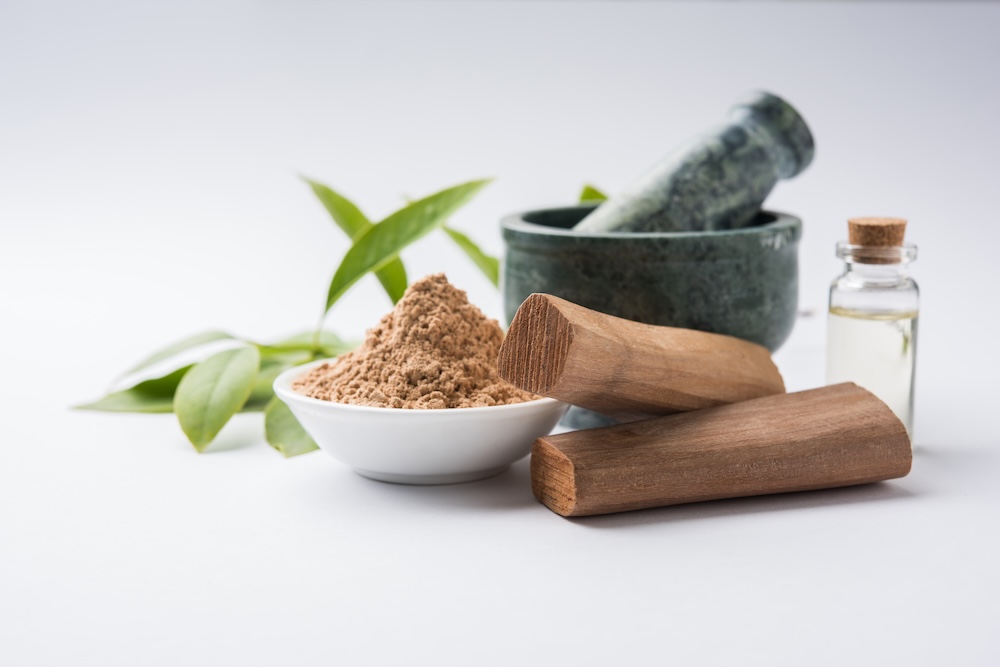
Sandalwood is more than a lovely scent. In Ayurveda it is a classic “coolant” herb with a long record in skin care, mind-calming rituals and Pitta-related complaints. Here is what the tradition says, how to use it through autumn and winter, and how to avoid the most common mistakes.
Chandana at a glance
Chandana is the Sanskrit name for sandalwood. The best-known source is santalum album, a slow-growing tree native to the dry forests of southern India. Only the heartwood carries the characteristic fragrance, so this is the part used for powders, pastes and distilled oil. You will also meet red sandalwood (pterocarpus santalinus) in Ayurvedic shops. It is a different plant with its own uses, so check the Latin name before buying either one.
A quick rule of thumb from the classical text Sharangadhara Samhita: white sandalwood is the default for powders, fermented tonics (asava), medicated ghee and oils, while red sandalwood is the default for external creams and decoctions.
How Ayurveda describes its action
Think of chandana as a cool, light and slightly dry substance with a sweet-bitter taste. Its cold potency (sheeta virya) is what makes it a classic remedy for excess heat, Pitta-dosha effects. It also helps pacify Kapha, thanks to its lightness and dryness, but this quality should be used with caution to correctly balance Doshas, especially in winters.
Classical texts group it with herbs that relieve burning sensations (daha-prashamana), quench thirst, brighten the complexion (varnya) and counter toxins (vishaghna). Charaka singles it out as the premier herb for neutralising body odour and heat, and as the ideal base for medicinal pastes.
Modern research has focused on α-santalol, the main aromatic compound. Laboratory and early clinical studies point to antimicrobial, antioxidant and anti-inflammatory effects.
What it is traditionally used for
- For the skin. A thin sandal paste is used on areas that look hot, flushed or irritated, and as part of face masks for oily or reactive skin. Traditionally it is mixed with rose water or milk.
- For the head and mind. A short application on the forehead in the morning, made with plain water and rinsed off after several minutes, is a classical home practice for tension-type headaches. The scent is also used in meditation to settle a busy mind.
- For internal Pitta imbalance. Ayurvedic physicians prescribe sandalwood preparations for burning sensations, thirst, acidity and burning urination, often inside Ayurvedic formulas.
- As essential oil. Mostly used for aromatherapy, scented massage oils and cosmetics. It is a concentrated substance and is not meant to be swallowed without professional supervision.
Autumn and winter: a practical guide
Ayurveda adapts routines to the season (ritucharya). Early autumn, known as “sharad”, is traditionally a period when Dosha Pitta accumulated in summer tends to flare, which makes cooling herbs like chandana especially appropriate. As the weather turns colder and drier, Vata takes over, and the way you use sandalwood should change.
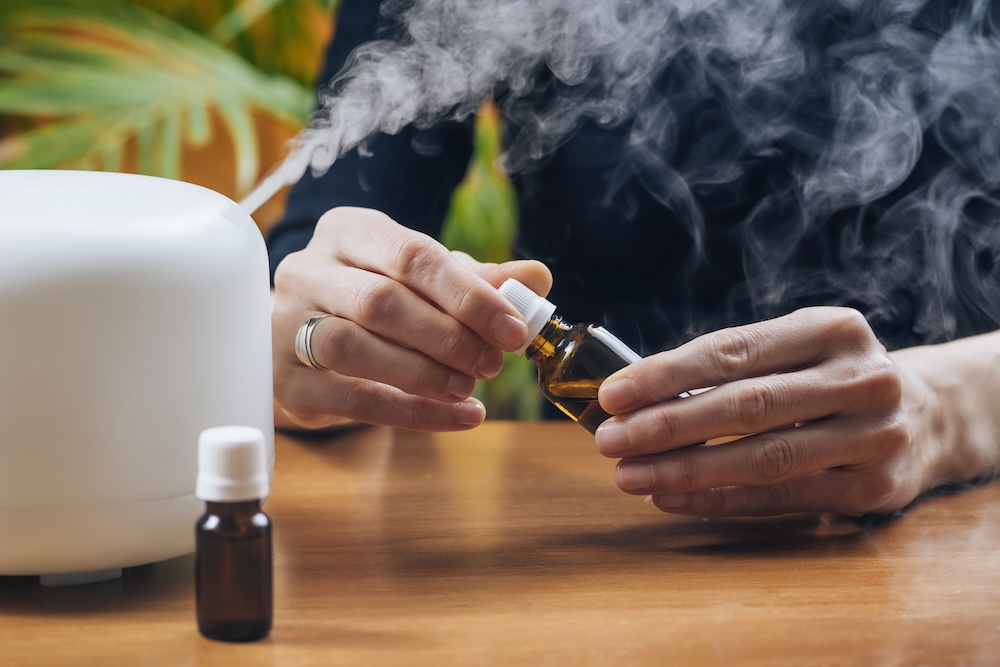
- Early autumn (Pitta season). Mix sandalwood powder with rose water for a light face mask, 10–15 minutes, once or twice a week. Keep evenings calm: soft light, a few drops of oil in a diffuser.
- Late autumn and winter (Vata season). Skip cold pastes. Add 1–2 drops of sandalwood essential oil to 10 ml of warm sesame or almond oil and massage into hands, feet and shoulders after a shower. Use the aroma as a daily “anchor” for calm.
- A simple 10-minute evening routine. Warm a little carrier oil and add 1 drop of sandalwood oil, massage feet and hands slowly. Sit quietly, breathe in and out ten times with the scent nearby.
Safety: what to know before you start
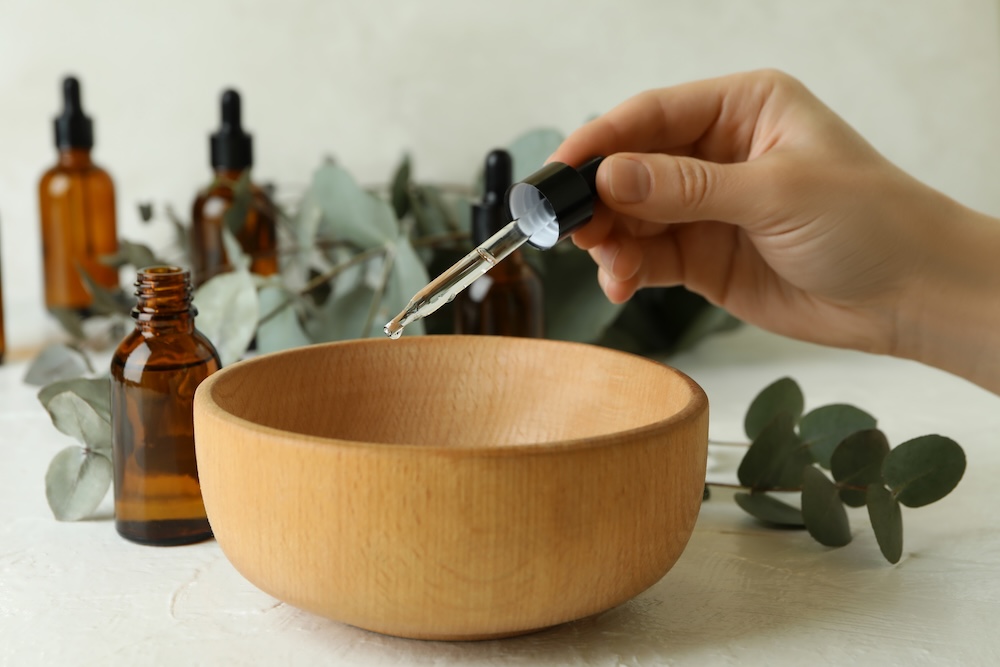
Always dilute essential oil with appropriate base oil and patch-test on a small patch of skin first. Asthma or cold sensitivity: because chandana is cooling, tradition suggests pairing it with a pinch of warming black pepper, or simply using it more sparingly. Always consult with your practitioner before using any oils or aromas. If you take medication, check with your doctor first, as some herbs can interact with modern drugs.
How to spot genuine sandalwood oil
- Latin name: Santalum album should be on the label (or another species clearly stated).
- Price: the real sandalwood oil is expensive. A bargain bottle is a red flag.
- Label wording: “fragrance” or “perfume composition” is not essential oil.
- Lab report: reputable sellers provide a GC-MS analysis showing α- and β-santalol content.
- Sourcing: Indian sandalwood is listed as Vulnerable by the IUCN, so prefer suppliers with transparent and legal supply chains.
Sandalwood rewards patience, as does the tree itself. Use it according to the season and your constitution, choose quality over price, and treat it as a gentle supporting practice rather than a replacement for medical care.
Subscribe to us for more seasonal Ayurveda guides and herb profiles. If you would like personalised advice for your constitution, contact us and we will be glad to help.


Leave a Reply