

Summer squash, zucchini, and marrow are familiar staples in kitchens worldwide. Celebrated for their tender texture, subtle sweetness, and low calorie density, these versatile vegetables are warm-weather favorites. However, beyond their everyday culinary convenience lies a rich historical journey and a profound place within traditional Ayurvedic nutrition.
Understanding summer squash through the lens of Ayurveda allows us to transform a humble garden vegetable into a hydrating, nourishing, and balancing ritual for everyday vitality.
A Journey Through History: From Sacred Seeds to Italian Kitchens
Long before zucchini became a centerpiece in Mediterranean and global cuisine, wild ancestors of summer squash flourished in Central and South America. Archaeological findings reveal that Indigenous peoples cultivated squash as early as 7,000 to 10,000 years ago—making it one of the oldest known cultivated crops in the Americas. Interestingly, ancient cultures initially prized squash not for its tender flesh, but for its nutrient-dense seeds and sturdy outer rind.
Following the Columbian exchange, squash made its way across the Atlantic to Europe. For generations, European gardeners grew these curious plants in botanical collections solely as ornamental flora, admiring their vibrant, sun-yellow blossoms.
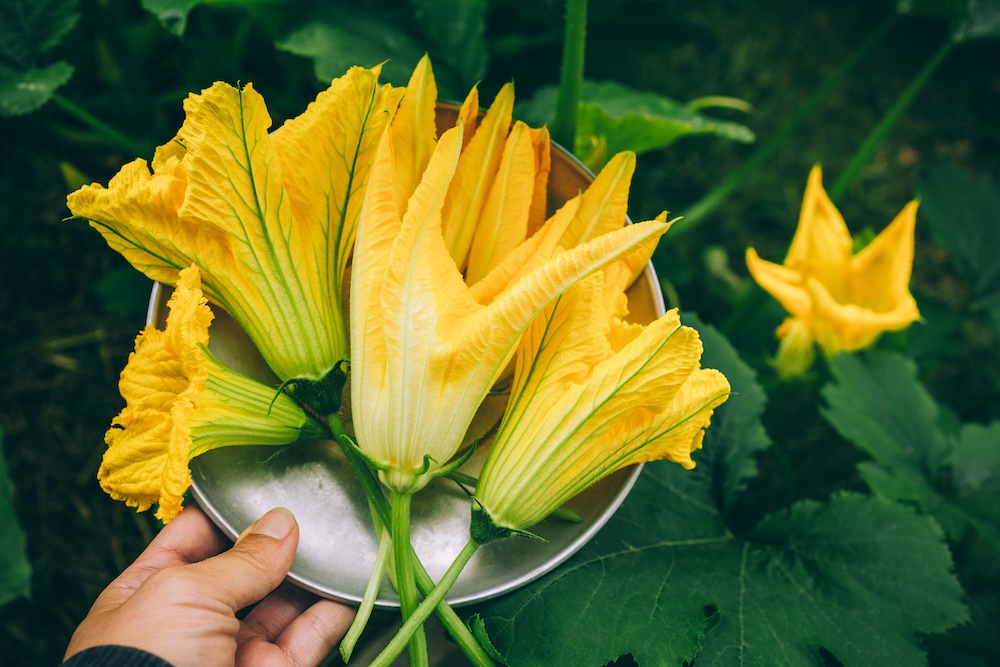
It was not until the 18th century in northern Italy that growers began harvesting the fruits while young and tender—coining the term zucchina (“little squash”). As global trade expanded, Ayurvedic cooks integrated this cooling vegetable into classic preparation methods, marrying Western produce with Eastern spice wisdom.
Summer Squash in Ayurvedic Wisdom: Cooling, Light, and Hydrating
Ayurveda evaluates food not merely by macronutrients or caloric count, but through its energetic signature: Rasa(taste), Virya (heating or cooling energy), and Vipak (post-digestive effect), alongside its impact on the three constitutional forces or Doshas (Vata, Pitta, and Kapha).
The Energetic Profile of Summer Squash:
- Rasa (Taste): Predominantly Sweet (Madhura) with subtle Astringent (Kashaya) undertones.
- Virya (Action): Cooling (Shita).
- Vipak (Post-Digestive Effect): Sweet (Madhura).
- Gunas (Qualities): Light (Laghu), soft (Mridu), and naturally hydrating (Snaigdha).
Because of its high natural water content and soothing qualities, summer squash serves as a natural thermal regulator during hot months or times of heightened internal warmth. It gently hydrates tissues without overburdening digestive capacity (Agni).
Dosha Impact:
- Pitta Dosha: Exceptionally beneficial. Its cooling energy absorbs excess heat, calming intensity and promoting internal coolness.
- Kapha Dosha: Highly favorable due to its light nature. When seasoned with warm spices, it does not create sluggishness or fluid accumulation.
- Vata Dosha: Well-suited when served warm and lightly cooked with nourishing oils or ghee. Raw squash can prove too cold or dry for Vata types.

Mindful Preparation: Maximizing Digestibility
While raw zucchini ribbons or cold salads are popular modern trends, raw squash can sometimes be heavy or cold on the digestive fire (Agni). Ayurveda emphasizes gentle thermal preparation—such as steaming, light sautéing, or baking—to soften plant fibers and allow smooth nutrient absorption.
Cooking summer squash in a small amount of Ghee (clarified butter) or high-quality sesame oil helps ground its light quality and carries the active properties of spices deep into bodily tissues.
Essential Ayurvedic Spice Synergies
Spices act as culinary conductors in Ayurvedic cooking. By combining summer squash with targeted spices, you counterbalance its cooling nature while highlighting its natural sweetness:
- Cumin & Coriander: Cumin ignites Agni without creating inflammation, while coriander encourages fluid balance and maintains digestive clarity.
- Turmeric: Adds a vibrant golden hue, gentle bitterness, and supports natural cleansing.
- Fresh Ginger: Introduces mild, pungent warmth that speeds up digestion and prevents dampness.
- Asafoetida (Hing): A tiny pinch prevents any potential bloating or gas formation.
- Saffron: Soaking a few threads of saffron in warm milk or ghee and drizzling it over cooked summer squash elevates simple vegetables into an elegant, royal dish.
Connect & Explore with Gyana
At Gyana, we explore the intersection of ancient lifestyle practices, seasonal nutrition, and mindful living for modern well-being.
- Follow our journey on Instagram: @gyana.org
- Discover articles & resources: www.gyana.org
- Contact us: Have questions about tailoring your seasonal diet? Reach out to us at any contacts button.


Leave a Reply