
In Part 1, we established how Ayurvedic principles address the cardiovascular tree (Rakta Vahini Srotas) by calming Pitta and clearing arterial stagnation using turmeric and coriander.
Now, in Part 2, we dive deeper into powerful vasodilators, central rhythm harmonizers, and how to tailor these spices directly to your individual constitution (Prakrti).
3. Garlic (Rasona): The Deep-Tissue Vasodilator
Garlic carries a bold, fiery presence in herbal lore—demanding respect, precise preparation, and mindful application.
- The Energetic Mechanism: Possessing a pungent, deeply penetrating nature, garlic is a master at pacifying Vata and Kapha. It breaks through dense vascular congestion, disperses cold constriction, and revitalizes sluggish circulation (Dhatu Agni).
- Physiological Impact: Rich in sulfurous compounds like allicin, garlic triggers the endogenous release of nitric oxide. This signaling molecule directs congested arterial walls to relax, widening the physical pathway and reducing systemic resistance.
- In Practice: To temper its aggressive heat for sensitive stomachs, gently warm crushed garlic cloves in organic ghee (Tvak-Ghrita) or simmer them lightly in milk before consuming.
4. Green Cardamom (Ela): The Central Rhythm Harmonizer
Cardamom brings an ethereal, aromatic sweetness to the spice cabinet, serving as a direct bridge between emotional ease and physical vascular health.
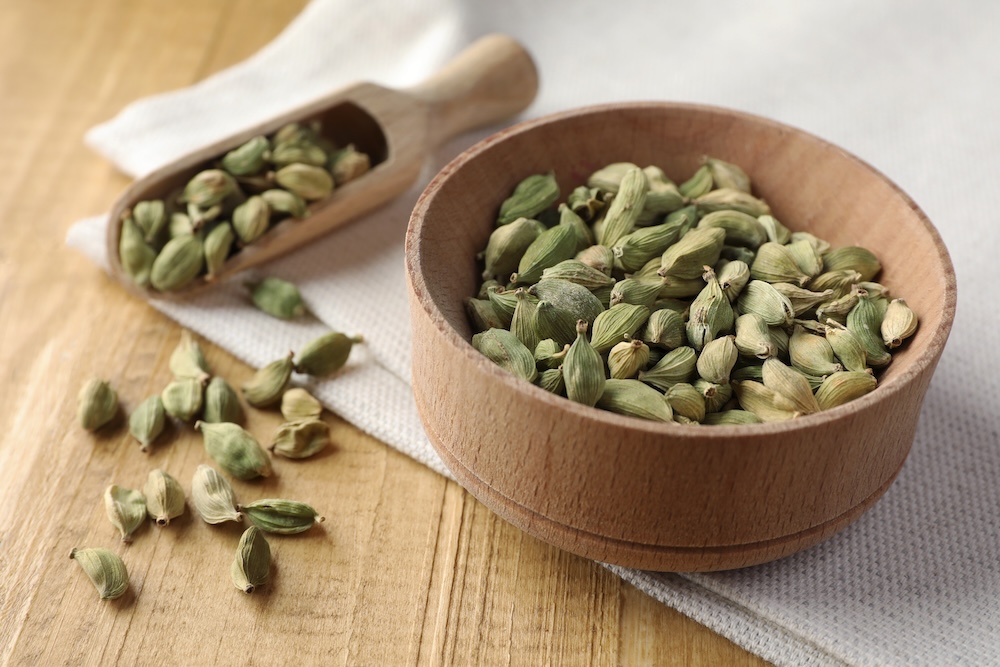
- The Energetic Mechanism: Sweet, cooling, and delightfully aromatic, cardamom pacifies both Vata and Pitta. Recognized as a Hridya tonic (a substance that nourishes the physical and emotional heart), it dispels mental worry that often triggers acute arterial contraction.
- Physiological Impact: Cardamom acts as a natural calcium channel modulator, helping regulate heart muscle contractions and relaxing vascular walls. Studies point to its dual ability to lower blood pressure while boosting total antioxidant status.
- In Practice: Crushed cardamom pods make an exquisite addition to morning oats, herbal infusions, or stewed fruits, delivering an immediate sense of spaciousness to the chest and mind.
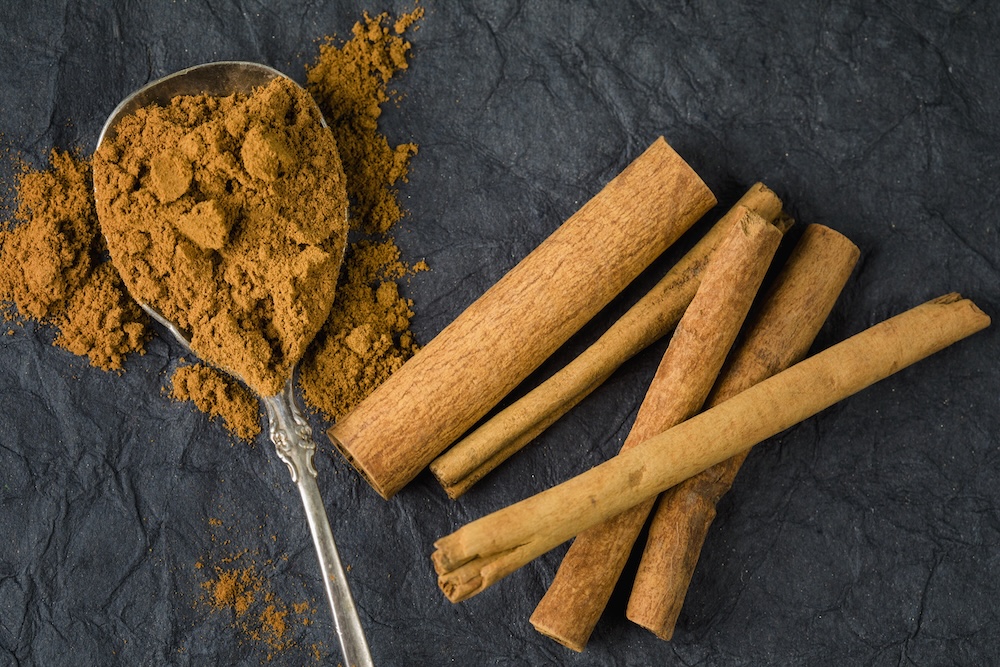
5. Ceylon Cinnamon (TWak): The Metabolic Flow Enhancer
True Ceylon cinnamon—often called “sweet wood”—is a master regulator of metabolic viscosity and peripheral warmth.
- The Energetic Mechanism: With its sweet, pungent taste and gently warming profile, cinnamon balances Vata and Kapha. It enlivens dormant circulation in the extremities and prevents the thickening of fluids throughout the body.
- Physiological Impact: By improving insulin sensitivity and regulating blood glucose, Ceylon cinnamon guards against the metabolic friction that damages delicate capillary beds. It supports arterial elasticity and encourages balanced peripheral resistance.
- In Practice: Dust real Ceylon cinnamon (avoid Cassia varieties, which carry high coumarin levels) over warm quinoa bowls, herbal decoctions, or steeped tea blends.
Tailoring Spices to Your Unique Nature (Prakrti)
In classical holistic frameworks, no two bodies require the exact same protocol. True balance comes from matching the remedy to your unique constitution:
- Pitta Types (prone to feeling overheated, irritable, or flushed): Focus primarily on Coriander and Cardamom to soothe and cool.
- Vata Types (prone to anxiety, dry skin, and sudden pressure fluctuations): Lean toward Turmeric, Cardamom, and light amounts of Cinnamon.
- Kapha Types (prone to fluid retention, weight gain, and sluggishness): Benefit most from the activating properties of Garlic, Turmeric, and Cinnamon.
A Mindful Reminder: Spices are potent, bio-active plant medicines designed to work alongside—not replace—professional medical oversight. If you are currently taking anti-hypertensive medications, consult your integrative health care practitioner before significantly altering your therapeutic spice intake.
Contact us for tips and hacks on how to use complex Vedic sciences and Ayurveda in modern life application.


Leave a Reply