
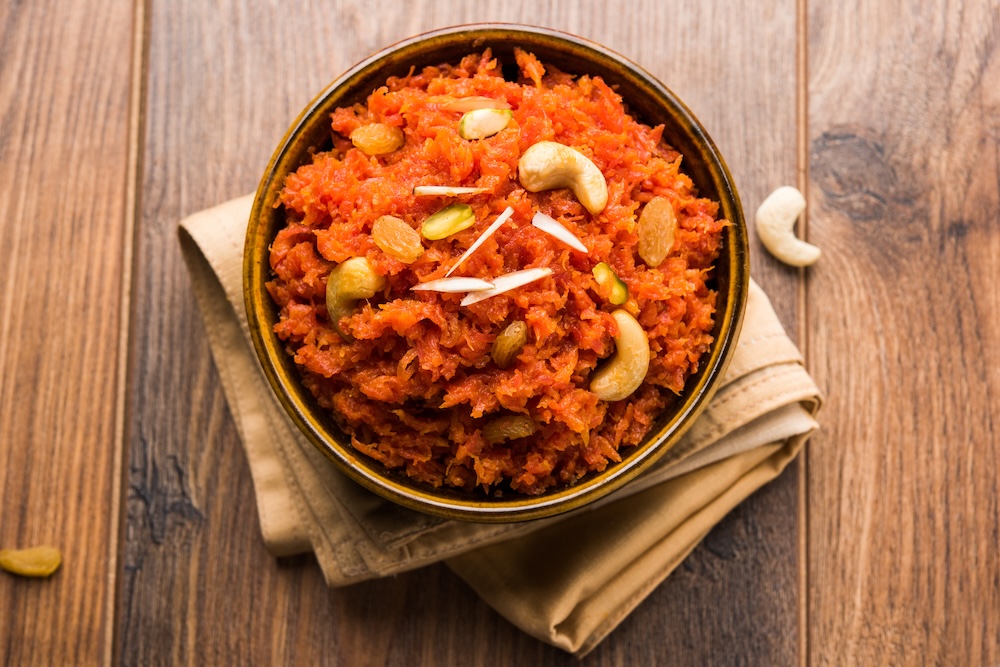
Carrots are one of the most familiar vegetables in the world, yet in Ayurveda they hold a surprisingly special place. Beyond their bright color and natural sweetness, carrots influence digestion, mental clarity, and the balance of the three doshas. They are adaptable, nourishing, and—when prepared correctly—suitable for almost everyone.
The carrot’s journey began far from modern kitchens. Its ancestors come from the region of Iran and Afghanistan, where wild varieties were first cultivated. Interestingly, carrots were originally grown not for their roots, but for their aromatic leaves and seeds. Over centuries, selective cultivation transformed the carrot into the sweet, tender root we know today.
From ancient Greece, where carrots were associated with sensuality, to Rome, where they were considered an aphrodisiac, this humble vegetable has always carried cultural significance. Ayurveda adds another layer of meaning, viewing carrots as a food that supports both body and mind.
Carrots in Ayurveda: Rasas, Gunas, Virya, and Vipaka
In classical Ayurvedic texts, carrots are referred to as Grnjana. Their qualities are described through the four foundational lenses of Ayurvedic nutrition: taste (rasa), qualities (guna), energy (virya), and post‑digestive effect (vipaka).
Carrots have a sweet taste, light and slightly oily qualities, and a sweet post‑digestive effect. This combination makes carrots gentle, nourishing, and broadly compatible with different constitutions. Sweet rasa builds tissues and supports grounding, while lightness prevents heaviness or sluggish digestion. Because of this balance, carrots can be adapted for Vata, Pitta, and Kapha with simple adjustments in cooking method.
A Sattvic Food When Prepared Properly
Ayurveda classifies fresh, mildly cooked carrots as sattvic—foods that promote clarity, calmness, and harmony. Sattvic foods are neither overly stimulating nor dulling; they support mental steadiness and emotional balance.
Raw carrots, however, have a more stimulating effect. Light cooking—steaming or gentle sautéing—makes carrots grounding, warm, and easier to digest. This shift in quality is essential: in Ayurveda, the method of preparation can completely change how a food interacts with the body.
How Carrots Affect Each Dosha
Vata
Warm, soft, and lightly oily preparations calm Vata’s dryness and irregularity. Stews, soups, and gently sautéed carrots are ideal.
Pitta
Pitta benefits from carrots cooked without excessive spices. Mild sautéing with ghee and gentle spices keeps heat in balance.
Kapha
Kapha thrives with warming, aromatic spices. Cumin, ginger, mustard seeds, and turmeric make carrots lighter and more stimulating.
Flavor Profile and Ideal Spice Pairings
Carrots’ natural sweetness and light qualities allow them to blend beautifully with many Ayurvedic spices.
These spices enhance digestion, deepen flavor, and create a balanced dish suitable for cooler seasons or transitional weather. Carrots absorb aromas easily, making them perfect for soups, kichari, stews, and simple home‑cooked meals.


Leave a Reply